Cpm is yet another interesting process capability metric that is not very popular. In fact it is more robust than Cpk. Cpm is an advanced measure and it corrects some deficiencies in Cpk. It is also called as Taguchi Capability Measure. In order for us to understand Cpm, let’s take a step back and understand Cpk. […]
Continue Reading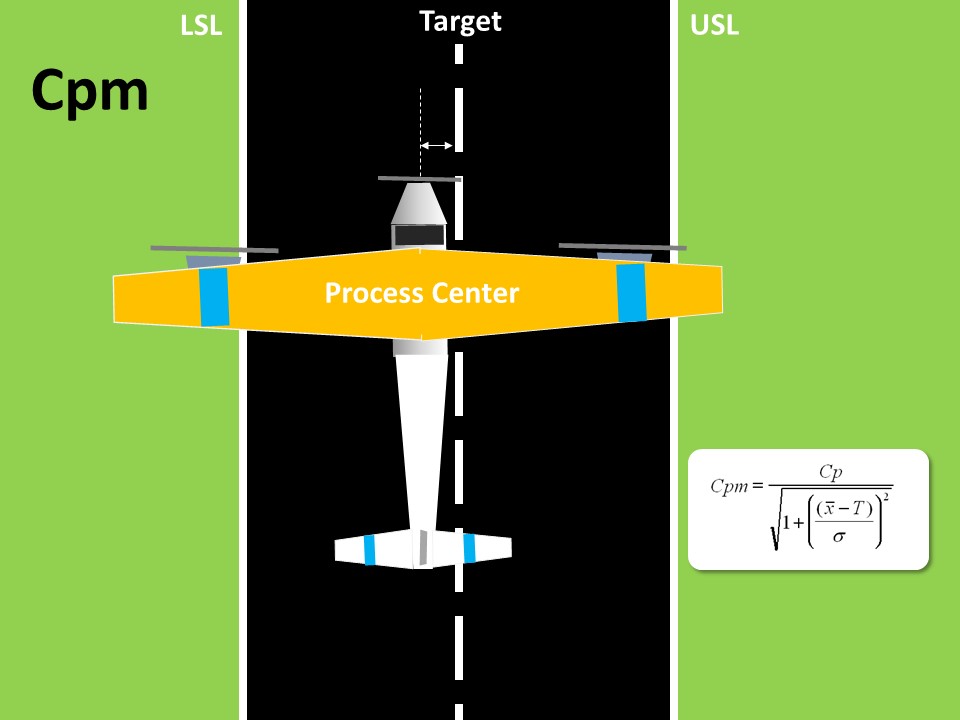
I’m sure you have heard of ‘Python’ in the context of Data Science and Analytics. Python is an object oriented high-level programming language with built-in data structures. If you are already a Certified Green Belt or a Black Belt from ASQ, IASSC or any other certification body, you might be familiar with a variety of […]
Continue Reading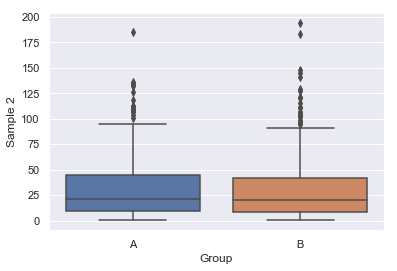
Any aspirant preparing for Lean Six Sigma Certification Exams of ASQ or IASSC, it is important for you to understand the difference between CTQ, Primary Metric and Secondary Metric.In Lean Six Sigma, the term CTQ is very commonly used. CTQ is an acronym Critical to Quality. As the name suggests, any attribute, parameter, factor or […]
Continue Reading
Let’s see how Daily Work Management System can revive & restart your system that clears the management cache and gives you peace of mind. Businesses thrive by growth. Leaders are expected to find innovative ways to propel the organization in the new direction and to make that growth vision a reality. In this game, most […]
Continue Reading
Both DFMEA and PFMEA have similar principles and follow identical steps. Both involve identifying potential failures, their impact, and corrective measures to be taken for reducing or eliminating these potential failures. However, DFMEA and PFMEA differ in a few aspects, such as their focus and the stage in which these two analyses are done. DFMEA […]
Continue Reading
Fig: A Y-shaped matrix that summarizes the requirements for different models of photocopiers The Y-shaped matrix is a matrix diagram that relates three sets of elements where one set is related to the other two sets in a circular manner. . It can be formed by bending the columns of sets A and B in […]
Continue Reading
Matrix diagrams can be sorted into several types depending on the number of data sets being compared. L-shaped Relates two sets of elements to one another or a single set of elements to itself. T-shaped Relates three sets of elements where there is no relation between the two sets that are related to a common […]
Continue Reading
A matrix diagram, also called a matrix chart, is a management and planning tool used for identifying relationships between two to four groups of elements or among elements in a single group. The elements in different groups are placed in rows and columns and relationships among them are analyzed by the team. Symbols indicating the […]
Continue Reading
In the previous topic, you created a tree diagram. Key issues identified must also be sorted in the order of their importance. A prioritization matrix helps determine the order for dealing with different issues or selecting solutions according to their relative importance. In this topic, you will create a prioritization matrix to identify crucial issues […]
Continue Reading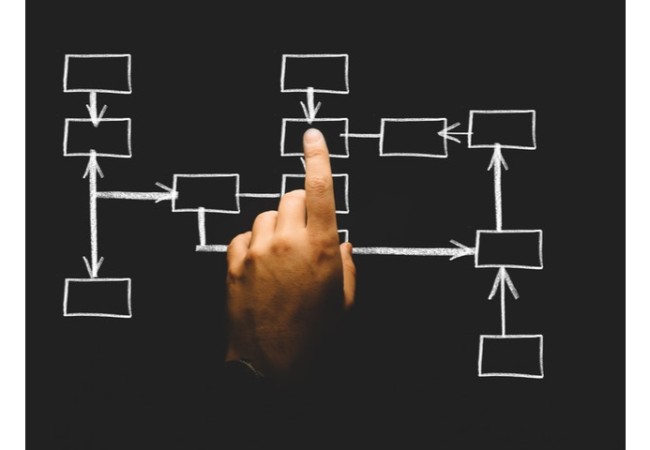
An interrelationship digraph, also called a relations diagram or network diagram, is a tool that depicts relationships among different elements, areas, or processes through a network of boxes and arrows. It is usually used by Six Sigma teams to understand cause-and-effect relationships among different factors of a problem.
Continue Reading
The metrics of a Six Sigma project reflect customer needs and ensure that the internal metrics of the organization are achieved. The selection of project metrics is one of the crucial elements in the Define phase of the Six Sigma methodology. Six Sigma project metrics can be categorized into primary metrics and secondary metrics. Primary […]
Continue Reading
A project charter is a contract between a Six Sigma project team and a sponsor. It provides a clear, concise description of the business needs that the project is intended to address. Any changes to the critical elements of a project charter need prior approval from the sponsor and consensus from the team members. A […]
Continue Reading
Six Sigma projects are primarily focused on customers. The other areas that Six Sigma projects focus on are: Improving the performance of Critical to Quality (CTQ) Reducing the number of complaints from customers. Reducing in-process or internal defects. Reducing warranty claims. Improving survey and customer research scores. Capturing feedback from staff members effectively. Increasing profits […]
Continue Reading
Some of the major attributes of CTQ include: A single meaning for each metric across all geographic locations. Defining the process owners who are responsible for tracking the CTQ. Clearly defined defects and opportunities in the process. A consistent measurement system to provide accurate and precise measurements. And, it must be derived from the VOC […]
Continue Reading